

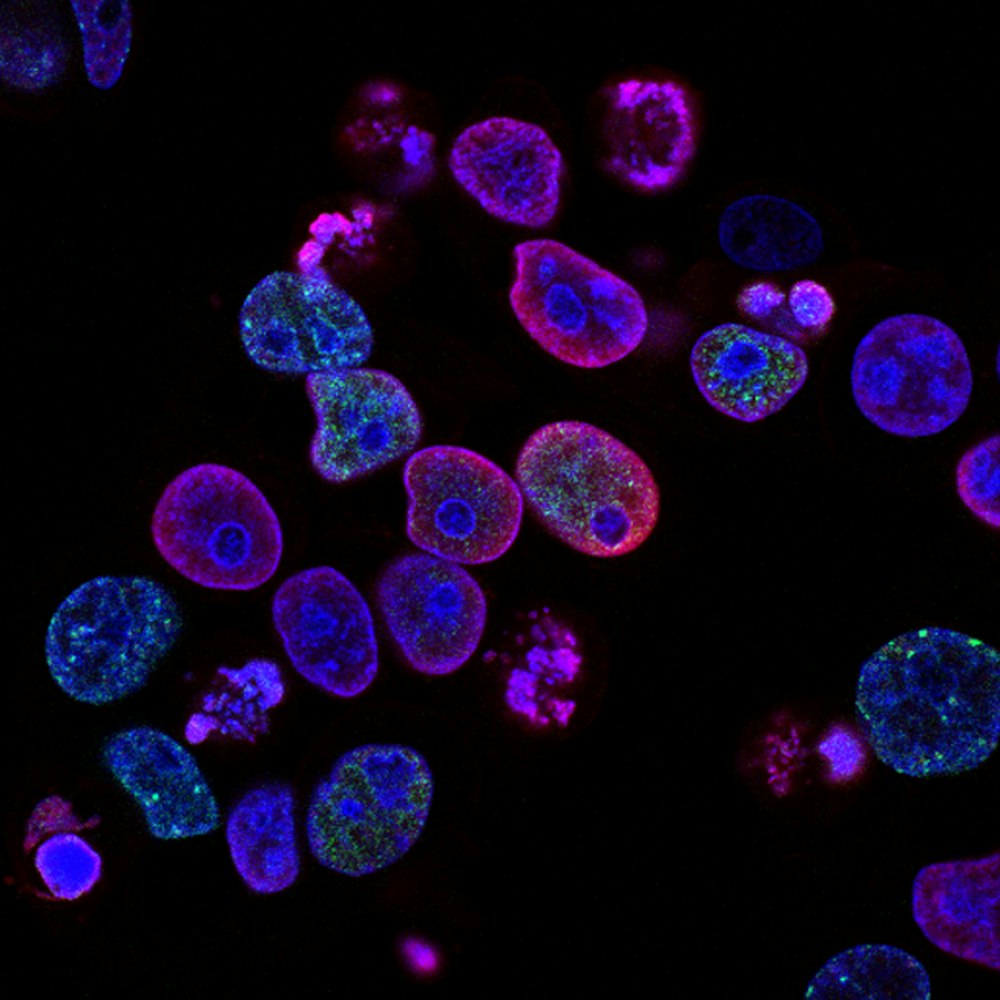
KPV is a naturally occurring tripeptide composed of the amino acids lysine, proline, and valine. It represents the C-terminal sequence of alpha-melanocyte-stimulating hormone (alpha-MSH), a neuropeptide with well-established anti-inflammatory properties. Despite its small size — just three amino acids — KPV has demonstrated potent immunomodulatory activity in preclinical research, making it one of the most studied short peptides in the context of gut inflammation and skin repair. Its stability and bioavailability compared to full-length alpha-MSH make it a practical compound for research investigations.
Origin and Structure
Alpha-MSH is a 13-amino acid peptide produced primarily in the pituitary gland and peripheral tissues. Its C-terminal tripeptide — KPV — retains a significant portion of the parent molecule's anti-inflammatory capacity. Research has demonstrated that KPV can interact with melanocortin receptors, particularly MC1R and MC3R, which are expressed on immune cells, intestinal epithelial cells, and dermal fibroblasts. This receptor engagement underlies KPV's ability to modulate inflammatory signalling without the broader hormonal effects associated with full-length alpha-MSH.
Mechanisms of Action
NF-kB Pathway Suppression
The nuclear factor kappa B (NF-kB) pathway is a central regulator of inflammatory gene expression. Research shows that KPV suppresses NF-kB activation in intestinal epithelial cells and macrophages, reducing transcription of pro-inflammatory mediators including:
- IL-6: A pleiotropic cytokine elevated in acute and chronic inflammatory states
- IL-1beta: A key driver of the acute phase response and inflammasome activation
- TNF-alpha: A central mediator of systemic and local tissue inflammation
- COX-2: The inducible enzyme responsible for prostaglandin synthesis at inflammatory sites
Melanocortin Receptor Engagement
KPV's binding to MC1R on macrophages promotes a shift from pro-inflammatory (M1) toward anti-inflammatory (M2) macrophage polarisation. This phenotypic switch is associated with increased production of IL-10 and reduced production of inflammatory cytokines, representing a key mechanism by which KPV may attenuate tissue-level inflammation in research models.
Research Applications
Gut Inflammation and Barrier Integrity
Among the most extensively studied applications of KPV is its role in intestinal inflammation models. In experimental models of colitis, KPV administration has been associated with reduced histological damage scores, preserved tight junction protein expression, and decreased mucosal cytokine levels. Studies employing oral delivery of KPV-loaded nanoparticles have further demonstrated that the peptide can reach the colonic mucosa intact, where it exerts local anti-inflammatory effects in inflamed tissue.
Skin Healing and Wound Models
KPV has been investigated in dermal wound healing models for its ability to reduce local inflammatory cytokine production while simultaneously supporting fibroblast activity and collagen deposition. Research suggests that topical or systemic KPV administration in research subjects accelerates wound closure and reduces scar formation relative to control groups. These effects are thought to relate to MC1R activation on dermal cells and the suppression of inflammatory cascades that can impede healing.
Antimicrobial Properties
Separate from its anti-inflammatory profile, research has identified direct antimicrobial activity for KPV against certain bacterial strains in vitro. This dual function — suppressing inflammation while potentially limiting microbial burden — positions KPV as a multifunctional research compound of considerable interest to investigators working across immunology and infectious disease models.
Conclusion
KPV's compact three-amino-acid structure belies a complex and well-characterised mechanism of action spanning NF-kB suppression, melanocortin receptor signalling, and macrophage polarisation. Preclinical research across gut inflammation, wound healing, and antimicrobial models consistently positions KPV as a potent and versatile anti-inflammatory research compound. Its derivation from the natural alpha-MSH sequence and its small molecular size continue to make it an attractive subject for investigations into peptide-based anti-inflammatory strategies. Researchers interested in skin biology applications can explore our overview of the best peptides for skin Malaysia, where KPV is featured alongside complementary compounds. Malaysian researchers can also refer to our guide on how to buy GHK-Cu Malaysia, a frequently studied partner compound in dermal repair research.
References
- Catania A, Lonati C, Sordi A, Gatti S. "Peptide agonists of melanocortin receptors as a new generation of anti-inflammatory drugs." Annals of the New York Academy of Sciences. 2010;1195:1–10.
- Kannengiesser K, Maaser C, Heidemann J, et al. "Melanocortin-derived tripeptide KPV has anti-inflammatory potential in murine models of inflammatory bowel disease." Inflammatory Bowel Diseases. 2008;14(3):324–331.
- Brzoska T, Luger TA, Maaser C, Abels C, Böhm M. "Alpha-melanocyte-stimulating hormone and related tripeptides." Endocrine Reviews. 2008;29(5):581–602.
- "Alpha-melanocyte-stimulating hormone." Wikipedia. Available at: https://en.wikipedia.org/wiki/Alpha-melanocyte-stimulating_hormone