

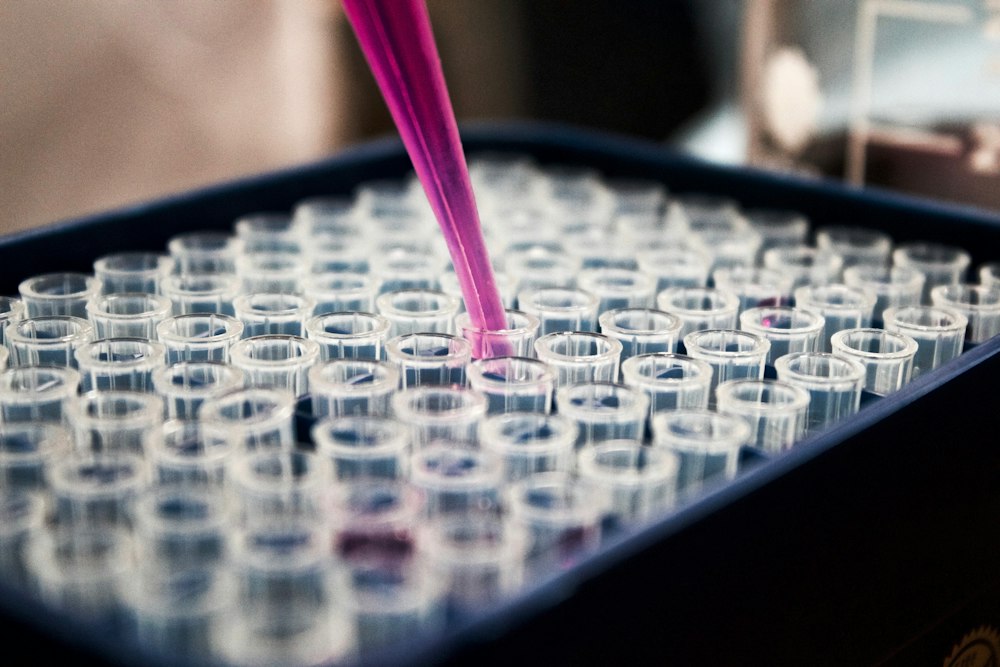
The research peptide market has grown significantly in Malaysia over the past few years, with more researchers, institutions, and biohacking communities seeking access to compounds like BPC-157, Retatrutide, CJC-1295, and Ipamorelin. However, the quality of available sources varies enormously. This guide covers what to look for when buying research peptides in Malaysia, how to verify supplier legitimacy, and what red flags should prompt you to look elsewhere.
Important: All research peptides are supplied for laboratory and research use only. They are not approved for human consumption. This guide is intended for researchers sourcing compounds for legitimate research purposes.
Step 1 — Verify the Certificate of Analysis (COA)
The single most important document when buying any research peptide is the Certificate of Analysis from an independent third-party laboratory. A legitimate COA will include:
- The compound name and batch/lot number
- Testing date and laboratory name
- Purity percentage confirmed by HPLC (High-Performance Liquid Chromatography)
- Mass spectrometry (MS) confirmation of molecular weight
- Amino acid sequence verification for longer peptides
Be extremely cautious of suppliers who provide only internal COAs (tested by themselves), or who cannot provide a COA at all. The industry standard for research-grade peptides is 98%+ purity; reputable suppliers like Concept Peptides target 99%+ on all batches.
Step 2 — Choose a Local Malaysia-Based Supplier
There are compelling practical reasons to source peptides from a Malaysia-based supplier rather than ordering from overseas:
Delivery Timeline
Overseas orders from the US, Europe, or China typically take 2–5 weeks to arrive in Malaysia, accounting for international shipping and customs processing. A local supplier ships domestically — typically via Pos Laju or J&T Express — with delivery in 1–3 business days. For time-sensitive research protocols, this difference is significant.
Customs Risk
Importing research peptides from overseas introduces customs variability. Packages can be delayed, inspected, or returned — particularly from certain origin countries. A domestically shipped order eliminates this risk entirely, as the product never crosses an international border.
Local Payment Methods
Most overseas peptide suppliers only accept cryptocurrency or international credit cards. A local Malaysian supplier should accept DuitNow / IBG bank transfer, FPX, or standard online payment methods — making the transaction straightforward and traceable.
Accessible Support
If issues arise — with your order, with reconstitution, or with product specifications — a local supplier is reachable via WhatsApp or Telegram during Malaysian business hours. Overseas suppliers in different time zones can take days to respond.
Step 3 — Verify the Compound Format
Research peptides should always be supplied as lyophilised (freeze-dried) powder, not in pre-mixed solution. Lyophilised peptide is stable for extended periods when stored correctly (-20°C for long-term, 2–8°C for short-term). Pre-mixed solutions have a much shorter shelf life and degrade faster during shipping, especially in Malaysia's tropical climate. A supplier delivering peptides in solution format is a red flag unless the research protocol specifically requires it.
Step 4 — Assess Transparency and Communication
A trustworthy peptide supplier will:
- Have a professional website with clear product descriptions, pricing, and contact information
- Provide COAs without requiring you to ask multiple times
- Respond promptly to pre-purchase questions about purity, sourcing, and storage
- Clearly state that products are for research use only — and not make therapeutic or clinical claims
- Have verifiable contact channels (WhatsApp, Telegram, email)
Step 5 — Red Flags to Avoid
- No COA available — Non-negotiable requirement for any research compound
- Unusually low prices — High-purity peptide synthesis has real costs; prices significantly below market suggest quality compromise
- Medical or therapeutic claims — Legitimate research suppliers do not claim their compounds treat, cure, or prevent any condition
- Anonymous operation — No verifiable contact, no physical presence, no trackable business entity
- Cryptocurrency-only payment — Not inherently disqualifying, but combined with other red flags suggests an unaccountable operation
- Pre-mixed solutions shipped in tropical heat — Indicates poor understanding of peptide stability requirements
Where to Buy Research Peptides in Malaysia
Concept Peptides is Malaysia's dedicated research peptide supplier, stocking a broad range of compounds including BPC-157, TB-500, Retatrutide, CJC-1295, Ipamorelin, Epithalon, GHK-Cu, Thymosin Alpha-1, Semax, Selank, and more — see our full product range. If you're based in the city, see our guide on how to buy peptides in Kuala Lumpur. For an overview of the legal landscape, read our article on whether peptides are legal in Malaysia. All products are:
- Supplied as lyophilised powder in sealed vials
- Third-party tested to 99%+ purity with COA
- Shipped from within Malaysia — 1–3 business day delivery
- Accompanied by free BAC Water for reconstitution
- Available with local payment methods
Storage Guidelines After Purchase
Once you receive lyophilised peptide:
- Store at -20°C for long-term (months to years)
- Store at 2–8°C if using within 4 weeks
- Keep away from light and humidity
- After reconstitution with BAC Water: store at 2–8°C and use within 30 days
- Do not refreeze reconstituted peptide